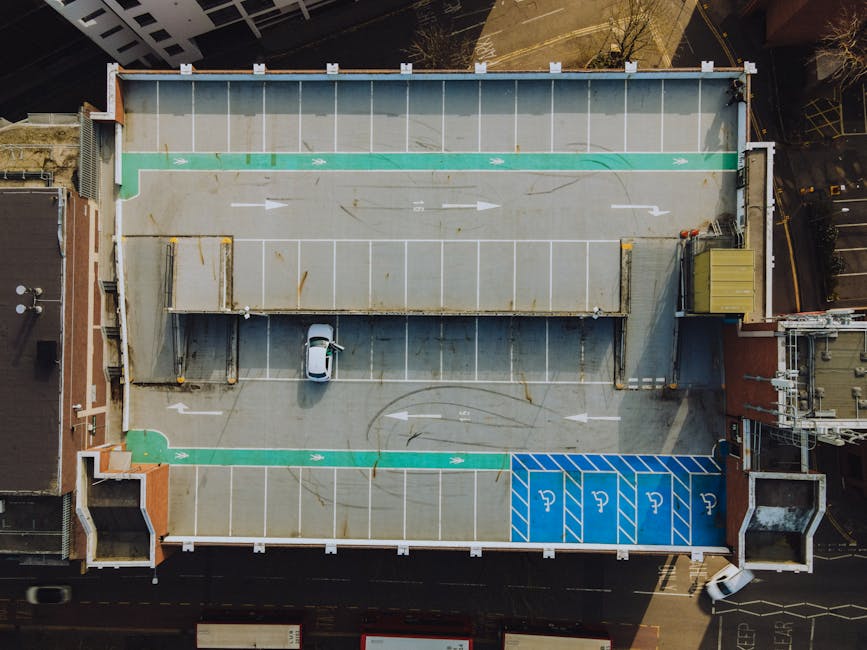
Orpington Parking Bay Suspensions and Fines: A Practical Guide for Home Moves, Business Deliveries and Stress-Free Parking
If you are planning a move, a delivery, or even a simple heavy-item drop-off, Orpington Parking Bay Suspensions and Fines can turn a straightforward job into an expensive headache. One minute you think you have lined up the perfect space outside the property; the next, the bay is suspended, the sign has changed, and a penalty notice is sitting on the windscreen. Not ideal, to put it mildly.
This guide explains how bay suspensions work in Orpington, why they matter, what usually triggers fines, and how to reduce the risk of problems on the day. It also covers practical planning advice for removals, deliveries and property clear-outs, with a few local insights that are easy to act on. If you are moving soon, pairing this with smart parking and route planning for house moves can save a surprising amount of time and hassle.
Truth be told, parking issues are one of those things people only think about after something has gone wrong. The good news? A bit of preparation goes a long way.
Why Orpington Parking Bay Suspensions and Fines Matter
A parking bay suspension sounds administrative, but the practical impact is real. If a bay is suspended, vehicles should not use it during the suspension period unless the suspension notice says otherwise. If you ignore the notice, the result may be a fine, towing risk, or both. For anyone handling removals, office deliveries, student moves or bulky item collections, that can mean delays, extra labour, and a very frustrating start to the day.
In Orpington, parking space is often the difference between a smooth unload and a long carry from down the street. That matters for fragile items, wardrobes, mattresses, filing cabinets, and all the awkward bits that never feel awkward until you are holding them. A short walk with one box is fine. Ten trips with a sofa? Different story entirely.
There is also a timing issue. Suspension notices can overlap with moving dates, school runs, weekend trading patterns, road works, or estate access changes. So even if the address seems simple on paper, local parking conditions can make it far more complex. For instance, if you are moving from a flat and need to navigate tight access, it is worth reading up on solutions for narrow stairs and awkward access as well, because parking and access problems often happen together.
Practical takeaway: parking bay suspensions are not just a council notice issue; they are a logistics issue, a cost issue, and sometimes a safety issue.
How Orpington Parking Bay Suspensions and Fines Work
At a basic level, a parking bay suspension temporarily removes normal parking rights for that marked bay or section of road. The suspension notice usually indicates the start and end time, the location, and sometimes the reason. The exact wording and enforcement approach can vary, so it is wise to read the sign closely rather than rely on assumptions. The sign is what matters, not what the street looked like yesterday.
If a vehicle occupies the suspended bay during the restricted time, enforcement action may follow. That may include a penalty charge notice. In some circumstances, a vehicle may also be relocated or removed. The precise process depends on local enforcement practice and the situation on the ground, so it is best to treat every suspension as live and enforceable until confirmed otherwise.
There is another subtle point people miss: the suspension may be placed there for a specific event or job, but it still affects everyone else using the space. For example, a removal team might need the bay for a few hours, or a property might need access for a large delivery. If you arrive late and the bay has already been taken, the whole plan can unravel very quickly. That is why many people choose to align parking planning with wider moving preparation, such as packing for a seamless move or arranging support through Orpington removals services rather than trying to wing it on the day.
Put simply: the suspension controls the space; the fine is the consequence of not respecting the control. That is the whole game, really.
Key Benefits and Practical Advantages
It may sound odd to talk about benefits when the topic is fines, but there are real advantages to planning ahead. When parking bay suspensions are handled properly, your move or delivery becomes calmer, faster and far less wasteful.
- Shorter loading times: A legal, nearby space reduces carrying distance and helps the crew keep momentum.
- Lower risk of penalties: You avoid the stress and cost of a notice on the windscreen.
- Better protection for belongings: Fewer trips means less chance of bumps, drops or weather exposure.
- Less disruption for neighbours: Good planning keeps pavements, driveways and entrances clear.
- Safer handling: Long carries with heavy items increase strain and trip risk.
There is also a commercial angle. If you are hiring movers, poor parking planning can add labour time, create parking charges, or force a vehicle to stop farther away than expected. That can affect the efficiency of the whole job. In our experience, clients often focus on box counts and forget the biggest time-saver of all: where the van will actually stand.
If you are comparing services or deciding how much support to book, it helps to review the wider service options on the company's service overview and check pricing and quote details so the parking plan and the moving plan match up cleanly.
Who This Is For and When It Makes Sense
Bay suspensions are relevant to a wider group than you might think. They are not just for big office relocations or high-volume trade work. If a vehicle needs to stop close to a property, this topic matters.
- Home movers: House moves, flat moves, student moves and same-day relocations can all be affected.
- Businesses: Office furniture, IT equipment, retail stock and reception-area deliveries often need close access.
- Students and landlords: End-of-tenancy clear-outs and room moves can be thrown off by bad parking assumptions.
- Trades and installers: Appliance deliveries, furniture fitting and specialist transport need reliable access.
- Anyone dealing with bulky items: Sofas, beds, pianos, freezers and wardrobes are not fun to haul from half a street away.
This is also a good fit if your property sits on a busy road, near a shopping area, or in a spot where parking disappears quickly. If that sounds familiar, you may find related guidance on tight driveways and access problems in Orpington useful too, because parking stress rarely exists on its own.
When does it make sense to plan in detail? Nearly always, but especially if you have a fixed moving time, limited loading window, or items that simply cannot be carried far without risk. That is the point where a little admin becomes very valuable.
Step-by-Step Guidance
If you want to avoid parking bay fines, the safest approach is simple: plan early, confirm the space, and keep evidence of what you arranged. Here is a practical way to do it.
- Check the location before the move or delivery. Look at the street, the bay markings, nearby restrictions and whether there is already construction or event activity nearby.
- Confirm the timing. A bay may be usable in the morning and suspended in the afternoon. Do not assume all-day availability.
- Identify the exact loading point. Sometimes the best place to stop is not the nearest bay, but the safest legal one with workable access.
- Allow for delays. Traffic, narrow streets and neighbour parking can all push the schedule back. Build in breathing room.
- Brief everyone involved. Movers, friends, tenants, and business staff should all know where the vehicle will stop and what to do if the spot changes.
- Keep documentation handy. Save emails, booking confirmations, and any parking-related instructions. If an issue arises, clarity helps.
- Have a backup plan. If the bay is unavailable, know the next best legal option before the team arrives.
Small detail, big difference. A five-minute check can save hours of shuffling and one very expensive mistake.
For bigger or more complex moves, it can also help to read guidance on permits for Orpington removals and the practical tips in best routes and parking for Crofton Road house moves, because route choice and parking choice often need to be solved together, not separately.
Expert Tips for Better Results
Here are the habits that tend to separate smooth days from messy ones. Nothing glamorous. Just the sort of things experienced movers and organised clients do without making a song and dance about it.
- Arrive earlier than you think you need to. Even a 20-minute cushion can save the day if a bay is occupied or the traffic is slow.
- Take a photo of the bay and sign when you arrive. It is a simple record if there is any later dispute or confusion.
- Keep one person free to watch the parking situation. If the vehicle needs to shift, someone should be available to act quickly.
- Plan the unload sequence around access, not just item size. The first item off the van should often be the item that blocks everything else.
- Use helpers wisely. One person carrying, one person guiding, one person checking doors and access - it sounds basic, but it works.
- Be conservative about bay availability. If the sign is unclear, treat the space as unsafe until proven otherwise.
A slightly cheeky truth: people often spend longer debating where to park than the job itself takes to unload. Happens all the time.
If your move involves awkward lifting as well as parking, the advice in the mechanics of kinetic lifting and safe solo heavy lifting can help keep things sensible and safe.
Common Mistakes to Avoid
Most parking penalties happen because someone assumed a detail rather than checking it. The same few mistakes come up again and again.
- Assuming the bay is fine because it was empty earlier. A suspension can start later in the day.
- Reading only part of the sign. The times and dates matter. So do any arrows or distance markers.
- Leaving parking decisions to the last minute. By then, your options are often poor.
- Ignoring temporary suspension notices attached after you parked. If the notice applies while you are there, you need to act.
- Underestimating how long unloading takes. The van may need to stay longer than expected.
- Not telling the mover or driver about local restrictions. Even good drivers cannot read the street in advance if nobody tells them what is happening.
One more thing: do not let a "quick stop" mentality lead the way. Quick stops are exactly how people get caught out. Quick stop, quick fine. Not much fun.
Tools, Resources and Recommendations
You do not need fancy tools to avoid parking bay suspensions and fines, but you do need a decent process. A few simple items make life easier.
- A phone with a camera: Useful for recording signs, road layouts and any on-site changes.
- Calendar reminders: Helps you check the parking situation the day before and again on the morning of the move.
- Printed instructions: Handy if several people are involved and not everyone checks messages constantly.
- Moving inventory list: Supports faster unloading by letting you prioritise bulky items first.
- Contact details for your mover or helper: If the plan changes, you need fast communication.
For a broader move, it can also help to use practical reading like tips for a more tranquil house move or pre-move decluttering advice. Decluttering matters because the less you move, the less time you need parked outside a restricted bay. That is a nice little win.
If you are storing items during a staggered move, local storage options can reduce the pressure to complete everything in one parking window. Same with planning through a man with a van service in Orpington when you need a more flexible, practical transport setup.
Law, Compliance, Standards, or Best Practice
Parking bay suspensions sit within local enforcement practice, so the safest stance is to treat the displayed notice as authoritative for that location and time. While the exact rules and penalties can vary, the underlying principle is straightforward: if a bay is suspended, it should not be used as if it were normal parking.
Best practice is to follow the signage exactly, keep your own records, and avoid relying on memory or guesswork. If there is any uncertainty, ask for clarification well before the moving day. That is especially sensible for commercial moves, delivery schedules and repeat jobs where the same access point may be used multiple times.
From a practical compliance perspective, there are three habits worth keeping:
- Read the notice in full.
- Assume the exact time window matters.
- Plan an alternative legal stopping place.
If a job involves furniture, appliances, stairs or tight access, it is also smart to use a provider that takes health and safety seriously. That includes clear handling procedures, sensible lifting practices and adequate insurance. You can review the company's own approach on health and safety policy and insurance and safety information, which is reassuring when you are trusting someone with valuable or heavy items.
Options, Methods, or Comparison Table
There is more than one way to handle a parking-sensitive move. The right choice depends on the size of the job, the property layout, and how much risk you want to carry yourself.
| Approach | Best for | Pros | Cons |
|---|---|---|---|
| Self-managed parking | Small moves, single-item deliveries | Lower cost, full control | Higher chance of mistakes if you miss a sign |
| Pre-arranged loading plan | Standard house or flat moves | More efficient, fewer delays | Needs better preparation and communication |
| Flexible mover-led access planning | Complex streets, short-notice jobs | Reduces stress, adapts quickly | May cost more than basic transport only |
| Split move with storage | Staggered moves or delayed access | Less time pressure on the bay | Extra handling and storage coordination |
There is no single right answer. A student move with a few bags is one thing. A two-bedroom flat with a wardrobe, freezer and bed frames is another. If you are unsure, look at the complexity honestly, not optimistically. That saves money in the end.
For bigger items, related guidance like moving beds and mattresses properly or piano moving tips can help you judge whether the parking setup is actually suitable for the load.
Case Study or Real-World Example
Imagine a small flat move in Orpington on a weekday morning. The tenant has booked a van for a tight loading window, and there is a bay directly outside the building. It looks perfect. But the street has a temporary suspension notice in place for part of the day because access is needed for works. If nobody checks properly, the van arrives, parks, and the move begins - only for the driver to realise the space is not available.
That is when the costs begin to stack up. First, there is the delay while everyone works out where the vehicle can legally stop. Then there is the extra carrying distance from a side street. The sofa needs two people, the wardrobe needs more care, and the clock keeps moving. The move still happens, but it is slower, messier, and more tiring than it needed to be.
Now compare that with a better-planned version. The mover checks the bay the day before, confirms a legal fallback spot, and tells the client to keep the largest items near the exit first. The van stops legally, unloading starts immediately, and the team gets the main items out before the building gets busy. Simple. Not magical. Just careful.
That is the real lesson with Orpington Parking Bay Suspensions and Fines: a tiny bit of planning can turn a stressful street into a workable loading point.
Practical Checklist
Use this quick checklist before move day or delivery day.
- Check whether the intended bay is suspended during your arrival window.
- Read the full sign, including times, dates and any distance markings.
- Confirm a legal backup parking option nearby.
- Tell everyone involved where the vehicle will stop.
- Keep booking confirmations and instructions easy to access.
- Build in extra time for traffic, access issues and unloading.
- Plan the loading order so the heaviest items come out first if needed.
- Take a photo of the sign and parking bay on arrival.
- Have one person available to monitor the vehicle if plans change.
- Review whether storage, decluttering or a different moving format would reduce pressure.
Expert summary: treat parking as part of the move, not a side issue. When the parking plan is strong, the rest of the day usually feels much easier.
Conclusion
Orpington Parking Bay Suspensions and Fines can look like a minor admin issue, but in real life they affect timing, safety, cost and peace of mind. If you are moving home, shifting office items or delivering bulky goods, parking is part of the job. Ignore it and you risk fines, delays and a lot of extra lifting. Handle it well and the whole day feels lighter.
The best approach is rarely complicated: check the sign, confirm the timing, prepare a fallback space, and make sure the vehicle has a lawful place to stop. If you are planning a larger move, the smartest next step is to get the parking plan sorted before the boxes are sealed. That small bit of discipline can save a very long afternoon.
If you want the move to feel calmer, lean on proper preparation, practical packing, and clear parking decisions. It is not flashy, but it works. And honestly, that is what most people need.
Get a free quote today and see how much you can save.
Frequently Asked Questions
What are Orpington parking bay suspensions and fines?
They are temporary restrictions that stop normal parking in a marked bay, usually for works, access needs or other planned activity. If a vehicle parks there during the suspension, a fine may follow.
Can I still use a suspended bay for a quick stop?
Usually not. A suspension means the bay is treated as unavailable for normal use during the restricted period. Even a short stop can lead to enforcement action.
How do I know if a bay is suspended on the day of my move?
Check the sign physically on site and confirm the times carefully. Do not rely on old notes, memory or what the street looked like earlier in the week.
What should I do if the bay outside my property is suspended?
Use a legal backup space nearby, adjust your unloading plan, and let your mover or helper know straight away. A quick change is better than risking a fine.
Are parking fines the same as the bay suspension notice?
No. The suspension notice is the restriction itself. The fine is the penalty that may follow if the restriction is ignored.
Do parking bay suspensions affect house moves in Orpington?
Very often, yes. House moves depend on close access for vans, trolleys and heavy items, so a suspended bay can have a big impact on timing and carrying distance.
What if I am moving a sofa, bed or fridge?
Then parking matters even more. Larger items take more time and more care, so a poor parking setup can create avoidable strain and delay.
Is it worth planning parking for a small delivery?
Yes, especially if the item is heavy, awkward or time-sensitive. Even a single-item delivery can become stressful if the vehicle has to park too far away.
Can a mover help with parking bay planning?
Many can, especially if you explain the street layout and timing in advance. It helps them choose the right vehicle position and unloading sequence.
What is the best way to avoid fines completely?
Read the sign carefully, plan early, keep a backup spot ready, and never assume a bay is available just because it looks empty. Small checks save a lot of trouble.
Does pre-move decluttering help with parking problems?
Yes. Less clutter usually means fewer items to move, faster loading, and less time spent occupying a parking spot. It is one of those simple wins that really adds up.
Should I use storage if parking is difficult?
If the move is complex or access is limited, storage can reduce time pressure and allow a more flexible schedule. That can be a very practical choice when parking is tight.