Ramsden Estate Removals: Solutions for Narrow Stairs
Posted on 26/05/2026
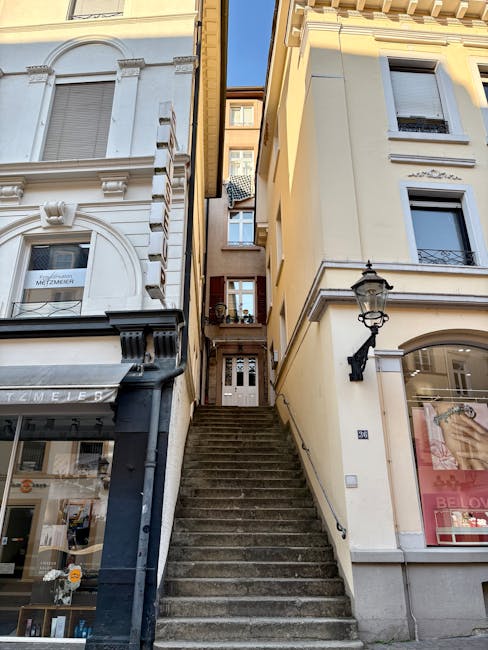
Moving house is rarely simple, but narrow staircases can turn an ordinary removal into a bit of a puzzle. Ramsden Estate homes, like many character properties and compact flats, often have tight turns, steep steps, awkward landings, or handrails that seem to sit exactly where a sofa needs to go. That is where Ramsden Estate Removals: Solutions for Narrow Stairs becomes more than a handy phrase - it is the difference between a move that feels controlled and one that feels like a wrestle with the staircase.
This guide explains how specialist removal planning helps you move bulky furniture safely, what methods work best in tight access properties, and how to avoid damage to your belongings, walls, and nerves. We will also cover practical preparation, common mistakes, and the right services to look at if your move has a difficult access point. Truth be told, a narrow staircase is not a disaster. It just needs the right approach.
Why Ramsden Estate Removals: Solutions for Narrow Stairs Matters
Narrow stairs are one of those moving challenges that look manageable until you are halfway round the landing with a wardrobe that is suddenly too long, too wide, or too heavy to pivot safely. In Ramsden Estate, as in many parts of Orpington and the wider London area, homes and flats may have compact internal layouts, awkward stairwells, or older access features that were never designed with modern furniture in mind.
That matters because moving through a staircase is not just about strength. It is about angles, balance, grip, protection, and timing. A poor lift can chip plaster, scuff banisters, damage upholstery, or put someone out of action with a back strain. And once you have a sofa wedged at an awkward angle, the whole job can stall. Not ideal, obviously.
Specialist support helps because the move is assessed as a whole access problem rather than a simple carrying task. A good removal team looks at:
- stair width and landing clearance
- turning space at corners and doorways
- furniture dimensions and weight distribution
- the safest lifting route in and out of the property
- whether dismantling, wrapping, or hoisting is the smarter option
If you are moving from a flat, maisonette, or compact house, narrow stairs can influence the whole plan. That is why services such as flat removals in Orpington and specialist furniture removals are often the right starting point. They are built for precisely this kind of access challenge.
How Ramsden Estate Removals: Solutions for Narrow Stairs Works
In practical terms, narrow-stair removals work through preparation, measurement, route planning, and controlled handling. It is a methodical process. A decent one, anyway. The goal is to remove guesswork before anyone starts lifting.
First comes the access check. The team looks at the staircase layout, notes any tight corners, measures larger items, and identifies objects that might need to be separated. A dining table may be fine. A double wardrobe? Maybe not in one piece. A piano? That is a different conversation entirely, which is why specialist advice from piano moving experts is so useful when the item is both heavy and delicate.
Next, the team decides which movement method fits best. Common approaches include:
- Angle carrying: rotating furniture diagonally to fit a staircase turn
- Team lifting: two or more movers coordinating the load to keep it stable
- Partial dismantling: removing legs, doors, shelves, or headboards to reduce bulk
- Protective wrapping: using blankets, pads, and corner protection to prevent scrapes
- Alternative access: using another route, external access, or a lower-floor pick-up if available
There is also a timing element. Smaller items usually move first, making space on the stairs. Larger pieces follow once the route is clear. A bit of order saves a lot of effort later. If the property is being emptied fully, a structured approach like the one described in how to pack your belongings for a seamless move can make the whole process much smoother.
For awkward rooms or cluttered homes, a pre-move tidy matters too. A room that is easier to navigate is a staircase that is easier to use. That is why premove decluttering is not just a nice idea; it is a real practical advantage.
Key Benefits and Practical Advantages
The obvious benefit is that your furniture gets out without drama. But there are a few less obvious gains that are just as valuable.
1. Less risk of damage. Narrow stairs leave little room for error. Professional handling reduces the chance of dents, chips, and ripped upholstery.
2. Better safety for everyone involved. This is the big one. Tight corners and heavy lifting create a real risk of slips or strains. Controlled handling and proper lifting technique help avoid that. If you want a clearer view of the mechanics behind safe lifting, this guide to kinetic lifting is worth a read.
3. Faster problem solving. A team used to narrow access can usually spot the best route quickly. That saves time, which matters when you are juggling handover times, parking, and the usual moving day chaos.
4. Less stress. Let's face it, moving day can already feel like a small storm. If the difficult staircase is handled properly, the rest of the day tends to settle down too.
5. Better protection for the property. Banisters, paintwork, and door frames are often the first things to suffer. Careful protection is cheaper than a repair bill later, and more pleasant too.
For larger or high-value furniture, the right moving support also helps preserve condition. If you are dealing with sofas, beds, or other bulky household items, the advice in bed and mattress moving and sofa storage secrets can help protect finishes and fabrics before and after the move.
| Approach | Best for | Strengths | Limitations |
|---|---|---|---|
| Standard carry-up-the-stairs | Small, light items | Quick for boxes and compact furniture | Not suitable for bulky items or tight turns |
| Team lift with protective wrapping | Sofas, wardrobes, desks | More control, less surface damage | Needs coordination and enough landing space |
| Dismantling before moving | Large furniture with removable parts | Improves fit and reduces weight | Takes extra time and care with fittings |
| Alternative access solution | Very awkward properties | Can solve impossible stair cases | Depends on building layout and permissions |
Who This Is For and When It Makes Sense
This type of removal support is for anyone whose home has access constraints, but certain situations make it especially sensible. If your staircase is narrow enough that you have to turn sideways just to pass someone, you are already in the zone where planning matters.
It is a good fit for:
- flat moves with compact internal stairwells
- period properties with steep or curved staircases
- students moving in and out of shared accommodation
- families shifting larger furniture between floors
- homeowners moving from terraced houses with tight hallways
- any move involving bulky items like sofas, wardrobes, beds, or musical instruments
It also makes sense when time is tight. If you need a quick turnaround, perhaps because keys are being exchanged in the same window, then a prepared service such as same-day removals in Orpington can be a lifesaver. Not every move needs that level of urgency, of course, but when it does, speed and access planning need to go hand in hand.
Students, in particular, often underestimate narrow stair access in older houses. One box is fine. Ten boxes, a desk, a mattress, and a bike wheel later... it gets less charming. For that sort of move, student removals support can be very handy.
Step-by-Step Guidance
Here is a practical way to approach a move where narrow stairs could become a problem.
- Measure the access properly. Measure staircase width, landing depth, door openings, and the largest furniture pieces. Do not guess. Guessing is how people end up saying, "it looked smaller in the room."
- Identify items that may need dismantling. Wardrobe doors, bed frames, table legs, and shelving units often come apart more easily than expected. Keep screws and fittings in labelled bags.
- Clear the route completely. Remove loose rugs, plant pots, coats, shoes, and anything else that could slow the team down or create a trip hazard.
- Protect walls, corners, and banisters. Use padded covers where appropriate. Narrow staircases tend to collect scuffs in the same places every time.
- Pack lighter boxes for stairs. This sounds obvious, but it is one of the most overlooked tips. A light box is easier to manage on a landing and safer to carry around corners.
- Load in the right sequence. Move smaller items first, then larger ones once the route is open. A calm sequence beats a rushed scramble.
- Decide in advance if alternative access is needed. If an item will not fit safely, stop there. Forcing it is usually more expensive than finding another solution.
If you need help getting everything boxed and ready before the moving team arrives, packing and boxes support is worth considering. It removes a lot of the last-minute pressure, which is often where mistakes start creeping in.
One small but useful habit: walk the route yourself once in the morning, before the boxes stack up. You will notice awkward spots more clearly when the hallway is still empty and quiet.
Expert Tips for Better Results
Here are the kinds of practical tips that really do make a difference on tight-access moves.
- Measure furniture at its widest point, not just the obvious one. A curved sofa arm or bed headboard can be the real obstruction.
- Use gloved grip where needed. Good grip matters more than bravado. Nobody gets a medal for trying to carry a polished wardrobe bare-handed on a steep stair.
- Keep communication simple. Short calls like "stop," "tilt," and "pause" work better than long instructions mid-turn.
- Plan for resting points. Landings are useful, but only if they are clear before the item arrives.
- Disassemble before the stress starts. Take bed frames apart the day before if possible. The evening before a move is a good time for this, not ten minutes before the van arrives.
- Use specialist help for awkward or fragile items. Pianos, large mirrors, antique cabinets, and heavy appliances deserve extra care.
A small human tip from the field: bring a roll of tape, a marker pen, and a basic tool kit in one easy-to-reach bag. It sounds almost boring, but boring is brilliant when you need it. You do not want to hunt for an Allen key while blocking the staircase.
If your move includes a freezer, fridge, or other appliance that may be temporarily out of use, the guide on storing a freezer when idle can help avoid unpleasant surprises later.
![A metal spiral staircase with a rounded black handrail ascending inside a narrow, well-lit interior space. The blue-painted concrete stairs at the base show signs of wear with chipped paint and scuffs. To the left, there's a white pipe running vertically along the wall, and part of a white door is visible. The surrounding walls are plain and painted in neutral tones, with some damage or peeling near the bottom. This staircase is part of a residential property, and the image captures the location where [COMPANY_NAME] might be involved in home relocation or furniture transport, preparing for moving or packing processes within the property interior.](/pub/blogphoto/ramsden-estate-removals-solutions-for-narrow-stairs2.jpg)
Common Mistakes to Avoid
The most common error is assuming that if something fits through one doorway, it will fit up every staircase. That is not how corners work. Narrow stairs create a series of angles, and angles are where most problems begin.
Other mistakes include:
- Skipping measurements. A tape measure is faster than an argument halfway up the stairs.
- Overloading boxes. Heavy boxes are harder to manoeuvre and much more likely to drop.
- Ignoring wall protection. One scrape on fresh paint can become the most memorable part of moving day.
- Trying to force oversized furniture through. If it does not turn safely, stop and reassess.
- Not checking stair condition. Loose carpet, worn edges, or weak lighting can all affect safety.
- Forgetting to plan the exit route as well as the entry. A room can be easy to enter and surprisingly awkward to leave.
There is also a psychological mistake: people often wait until the very end to worry about the staircase. By then, everyone is tired, the van is waiting, and the pressure is higher. Better to spot the issue early, even if it means changing the plan a little. That is normal.
Tools, Resources and Recommendations
A well-prepared narrow-stairs move is usually a mix of the right tools and the right judgement. You do not need a truckload of equipment, but a few items make life a lot easier.
- Furniture blankets and wraps to protect surfaces and soften contact points
- Straps or lifting aids to help with control on difficult items
- Corner protectors for walls and bannisters
- Labels and marker pens for dismantled parts and box rooms
- Basic tools for bed frames, tables, and shelving
- Good lighting for stairwells, hallways, and landings
For customers who want a more complete removal setup, removal services in Orpington and man with a van support can be the most flexible options. They are especially useful when you need a practical solution rather than a one-size-fits-all package.
If you are comparing service levels, local removal companies can be a useful benchmark for understanding what is included, what is optional, and what is worth paying extra for. It is sensible to ask about access issues upfront; hidden stair challenges are where quotes can become messy.
For readers wanting broader context on the move itself, how to keep a house move calmer is a helpful companion guide. The calmer the overall move, the easier it is to deal with one tricky staircase without spiralling.
Law, Compliance, Standards, or Best Practice
For most domestic moves, the key compliance areas are less about specialist legislation and more about sensible duty of care, safe working practices, and transparent service. In the UK, removal work should be carried out with attention to health and safety, safe lifting, and property protection. That means good communication, suitable equipment, and a plan that reduces risk.
Best practice usually includes:
- assessing access before lift day where possible
- using suitable lifting techniques and enough people for the load
- protecting both the item and the property
- avoiding rushed manual handling that could cause injury
- being clear about limitations, especially where access is unusually tight
It is also worth checking service terms, insurance cover, and any building-specific rules if you live in a managed block. Some flats have shared corridors, booked lift slots, or parking arrangements that need handling with care. For reassurance on the provider side, the pages on health and safety policy, insurance and safety, and terms and conditions are worth checking before you confirm a booking.
If you are storing anything while the move is staged or delayed, storage in Orpington can help keep the process controlled rather than frantic. That can be useful when access issues mean the move needs splitting into two parts.
Options, Methods, or Comparison Table
Different moves need different approaches. Sometimes the smartest solution is not the most dramatic one. Here is a simple comparison.
| Method | Best Use | Pros | Cons |
|---|---|---|---|
| Self-managed move | Very small loads, easy access | Cheapest upfront | Higher risk on narrow stairs, more physical strain |
| Man and van service | Flexible smaller moves | Good balance of cost and support | May still need careful preparation for bulky items |
| Full removal service | House moves, heavy furniture, difficult access | More hands, more planning, better protection | Higher cost than DIY |
| Specialist item handling | Pianos, antiques, unusually heavy or fragile pieces | Best for high-risk items | May require separate arrangement or quotation |
For many Ramsden Estate residents, the practical middle ground is a well-organised service that is flexible enough for awkward access but not overcomplicated. If you need a service specifically designed for bulky household pieces, house removals and local removals support can be a strong fit.
Case Study or Real-World Example
Imagine a two-bedroom flat in Ramsden Estate with a narrow staircase, a tight turn at the top, and a large sofa that has lived in the lounge for years. The residents have packed the boxes neatly, but the sofa is the problem. It will not carry flat, and when it is tipped too high, it clips the wall. A classic moving-day headache.
Instead of forcing it, the removal team pauses. They measure the angle, remove the sofa feet, wrap the arms, and shift the item with two movers controlling the upper and lower ends. One person leads the turn; the other keeps the back edge clear of the wall. It takes a few minutes longer than hoped, but the sofa makes it out without a mark. Nobody has to pretend that brute force was ever the plan.
In the same move, a bed frame is dismantled first, a mattress is carried last, and the heavier boxes are redistributed so that stair carries are manageable. The day stays calm. Not perfectly calm - let's be fair, moving day never quite is - but calm enough.
That is the real lesson. Narrow stairs are usually solved by sequence, not strength. And by a bit of patience, which sometimes is the most underrated moving tool of all.
Practical Checklist
Use this quick checklist before moving day arrives.
- Measure all main furniture and compare it with staircase and doorway widths
- Identify items that need dismantling
- Label screws, bolts, and fittings in sealed bags
- Clear the stairs, hallway, and landing completely
- Protect walls, banisters, and door frames where needed
- Pack boxes lightly for stair movement
- Confirm parking and access arrangements for the van
- Check insurance and service terms before the move
- Keep essentials, valuables, and documents separate
- Have a backup plan for any item that may not fit safely
If you want to reduce last-minute stress, the guide on leaving your old home in good order also pairs well with the planning stage. A tidy property is easier to move from, and easier to hand over afterwards too.
Conclusion
Narrow stairs do not have to derail a move. With the right planning, the right equipment, and the right people, even tight Ramsden Estate access can be handled efficiently and safely. The key is to treat stair access as a serious part of the move, not an afterthought.
Whether you are shifting a sofa, a bed, a wardrobe, or a full household, the best results usually come from preparation and calm decision-making. Measure early, dismantle where sensible, protect the property, and do not force items that clearly need another route. Small adjustments make a big difference.
Get a free quote today and see how much you can save.
When the move is planned well, even a tricky staircase feels a lot less like an obstacle and more like just one more step on the way to somewhere better.