Tight Driveways? Orpington Moving Solutions
Posted on 10/06/2026
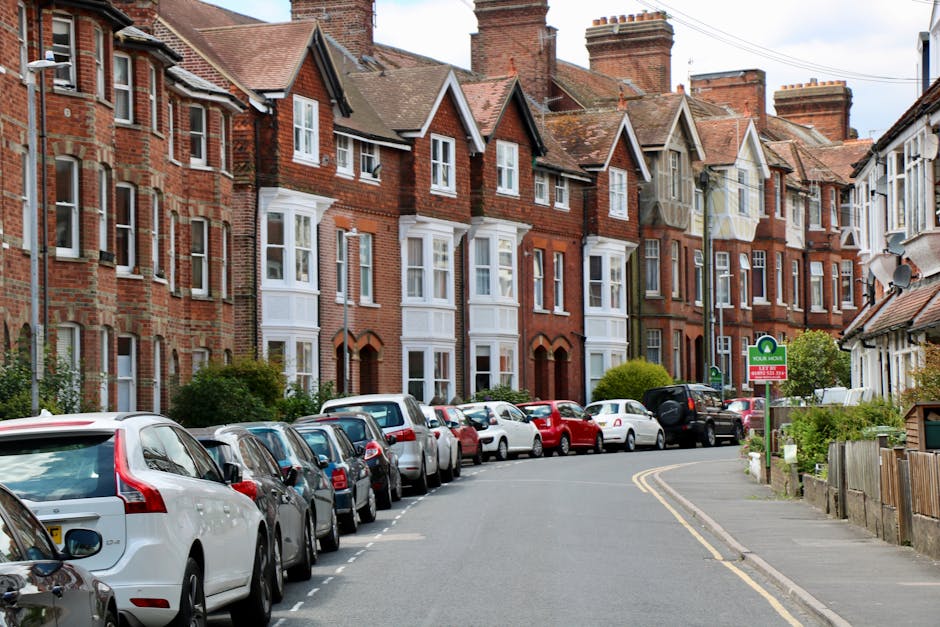
Moving day gets complicated fast when the driveway is narrow, the turning space is awkward, or the van simply cannot sit where you hoped it would. In Orpington, that is not unusual. Terraced streets, shared access, steep kerbs, compact forecourts, and busy parking conditions can all turn a straightforward move into a careful little puzzle. That is exactly where Tight Driveways? Orpington Moving Solutions comes in.
This guide breaks down how to approach a difficult access move without the stress spiral. You will learn what makes a tight driveway a real moving challenge, how professional movers work around it, when special planning matters, and which mistakes tend to create the most hassle. If you are comparing options, preparing for a house move, or trying to work out whether a man and van setup is enough, this article should give you a clear, practical answer.
To be fair, most people only notice access problems once the van is already outside. Better to spot them earlier. A little planning goes a long way.
Why Tight Driveways? Orpington Moving Solutions Matters
A tight driveway is not just an inconvenience. It changes the whole flow of the move. If the van cannot park close enough to the property, your team has to carry furniture further, navigate more obstacles, and spend more time avoiding scrapes, slips, or rushed lifts. Even one awkward corner can affect timing.
In practical terms, access affects:
- how close the removal van can get to your front door
- how many trips are needed between house and vehicle
- whether larger furniture can move in one piece
- how much protection is needed for doors, walls, and floors
- how long the move takes from first box to final item
That matters for both cost and calm. A poor access plan can create delays, extra labour, and a lot of unhelpful back-and-forth. A smarter approach keeps the move controlled, even when the space is awkward. If you are already thinking about packing strategy, how to pack your belongings for a seamless move is a useful companion read.
There is also a safety angle. Tight driveways often mean uneven surfaces, low walls, narrow gates, shared entrances, or a need to reverse into limited space. That is where careful route planning really earns its keep. Nobody wants a minor access issue turning into a cracked lamp, a scraped bumper, or a very annoyed neighbour. Happens quicker than people expect, honestly.
How Tight Driveways? Orpington Moving Solutions Works
The idea is simple: reduce the amount of uncertainty between the van and the property. In practice, that means planning the route, the parking position, the loading sequence, and the equipment before the move begins.
A good access-aware move usually follows this pattern:
- Assess the driveway and road space early. Measure the width, note any bends, check for low overhangs, and see whether the van can enter or whether roadside parking is safer.
- Map the carrying distance. A short carry is ideal, but even a slightly longer carry can be fine if the route is clear and protected.
- Match the van size to the space. In many cases, a smaller vehicle or a flexible loading setup is more useful than trying to squeeze in something too large.
- Plan the load order. Heavy, stable items go in first; fragile or awkward items are protected and loaded with care; items needed early at the destination are kept accessible.
- Use the right lifting method. Tight access is where controlled, team-based lifting matters more than speed. A rushed turn on a narrow path is where problems begin.
- Protect the property. Door frames, banisters, tight corners, and flooring often need extra care because a narrow route leaves less margin for error.
Sometimes the best solution is not to force the van into the drive at all. Instead, the vehicle parks in a safer nearby position and the team uses a sensible carry route. That can sound less efficient on paper, but in the real world it often works better. The move stays cleaner and the risk drops.
For heavier or awkward household items, it helps to understand the mechanics of controlled lifting. This article on kinetic lifting explains the idea in plain language, and it pairs well with the practical side of access planning.
Key Benefits and Practical Advantages
Choosing a solution designed for tight driveway access is not only about avoiding hassle. It can genuinely improve the whole moving day experience.
1. Less damage risk
When the route from property to van is short, clear, and properly managed, there is less chance of bumping furniture against walls or clipping the side of a doorway. That sounds obvious, but it is often the difference between a calm move and a stressful one.
2. Better time control
Ironically, a slower and more careful setup can save time overall. If the crew knows exactly where they can park and which items need the most space, the move runs more smoothly. No one stands around wondering whether the van needs repositioning every ten minutes.
3. More suitable vehicle choice
Not every move needs the biggest truck available. In many Orpington streets, a smaller van or a carefully planned man with a van arrangement is the better fit. If you are weighing options, man with a van in Orpington can be a more practical route than trying to manage a larger vehicle in a confined space.
4. Easier coordination for complex items
Bulky sofas, mattresses, freezers, pianos, and office furniture all behave differently in restricted access. Tight driveways reward movers who understand how to angle items, rotate them safely, and decide when two-person handling is simply the smarter call. For particularly delicate items, see piano moving expert tips and a practical guide to bed and mattress moving.
5. Less disruption for neighbours
That part gets overlooked. Narrow access often means shared spaces, roadside parking, or repeated carrying past nearby homes. A tidy, organised move is simply more considerate. And if you are moving out of a property and want to leave things spotless, achieve a pristine home state before leaving it behind offers useful preparation advice.
Who This Is For and When It Makes Sense
This type of moving solution is especially useful for people dealing with:
- short or steep driveways
- shared access with neighbours
- limited roadside parking
- terraced homes or compact residential streets
- flats with awkward entry routes
- large furniture that must be angled carefully
- same-day or urgent moves where timing matters
It also makes sense for families who do not want a full-size removals lorry trying to manoeuvre into a space that was clearly never designed for one. Let's face it, some drives look spacious until you stand in them with a van door open and a wardrobe in your hands.
Students and smaller households often benefit too, especially if they are moving from compact accommodation with limited access. If that sounds familiar, student removals in Orpington can be a better-fit option than a large, all-day service.
Businesses can need the same thinking. Office items, archive boxes, desks, and IT equipment all need careful handling when the loading point is awkward. For local commercial moves, office removals in Orpington are usually planned with access, parking, and timing in mind from the start.
Step-by-Step Guidance
If you want the move to feel easier, start with the driveway itself. That may sound too basic, but basic is good. Basic is where smoother moves begin.
- Walk the route from property to road. Check for narrow gates, low branches, uneven paving, loose gravel, or anything slippery.
- Measure key pinch points. You do not need engineering precision, just a realistic sense of what can fit and what cannot.
- List the awkward items. Sofas, mattresses, mirrors, wardrobes, pianos, exercise equipment, and white goods should be flagged early.
- Choose the parking strategy. Decide whether the van should enter the drive, stay on the road, or use a nearby layby or side space if available and safe.
- Prepare the furniture and boxes. Remove loose parts, tape drawers, wrap fragile items, and label boxes clearly.
- Protect the access route. Use covers or mats where floors or thresholds are vulnerable.
- Load in the correct sequence. Heavy items first, delicate items later, and anything needed early at the new property near the exit.
- Build in a little time buffer. Tight access almost always takes longer than a wide-open driveway. A small buffer saves stress.
If you are storing items between properties, it may also be worth reviewing storage in Orpington so the move does not become a rush job.
And if you are preparing furniture for a period in storage, the advice in long-term sofa storage secrets can help prevent avoidable wear and dust build-up.
Expert Tips for Better Results
A few small decisions can make a tight-access move much easier. None of these are fancy. They just work.
- Use the shortest safe carry route. Shortest is not always best if the path is slippery or cluttered.
- Keep the driveway clear the night before. Bins, bikes, plant pots, and a random stack of boxes all steal precious space.
- Share photos of the access in advance. A few clear pictures help the moving team judge whether a larger van will work or whether a more compact vehicle is smarter.
- Pre-stage items indoors. Put boxes near the exit, but not in the way. That one small habit saves endless wandering.
- Think about weather. Rain changes everything. Surfaces get slick, and a narrow carry route feels even tighter in wet conditions.
- Label priority boxes. If the van needs to be parked further away than expected, you will want essentials easy to find at the other end.
For a calmer whole-day move, it can help to read tips for a tranquil house move. It is the kind of planning advice people often ignore until, well, they wish they had not.
If your move is being handled by a single driver and helper setup, a simple but deliberate man and van arrangement in Orpington can be ideal for compact or access-sensitive jobs.

Common Mistakes to Avoid
Most access problems are avoidable. The trouble is, they are easy to overlook when you are focused on the big picture.
- Assuming the van will fit without checking. It might. It might not. Guessing is expensive in time.
- Leaving the driveway full of clutter. Every extra obstacle slows the route and makes lifting less safe.
- Underestimating turning space. The van may fit in a straight line but fail when it needs to swing out.
- Trying to move overly large items without help. That is how scraped skirting boards and sore backs happen.
- Ignoring the weather or surface condition. Wet paving and frost can turn a short carry into a tricky one.
- Not planning for neighbours or shared parking. That can create delays you did not budget for.
There is also a practical paperwork side to this. If you are comparing providers, make sure you understand what is covered and what is expected before moving day. The pages on insurance and safety and health and safety policy are worth reading if you want a better sense of how careful handling is approached.
Tools, Resources and Recommendations
You do not need a van full of specialist kit to deal with a tight driveway, but a few tools make a real difference.
- Furniture blankets and wrap: useful for protecting items on narrow routes
- Straps and trolley equipment: helpful when the carry distance is short but the item is heavy
- Floor protection: sensible if the route includes tiles, wood, or a delicate threshold
- Labels and tape: surprisingly useful for keeping the loading order under control
- Measuring tape: plain old, still one of the best tools you can carry
- Phone photos of the access: ideal for giving movers a quick visual briefing
For packing support, the guide on packing and boxes in Orpington is a sensible place to start. And if you want a calmer packing rhythm overall, pre-move decluttering tips can reduce the volume you need to carry through the tight space in the first place.
One more practical note: if the move involves heavier solo lifting at any stage, do not bluff it. That is usually the moment where people learn the hard way that strength and balance are not the same thing. The article on solo heavy lifting is a decent reminder of that.
Law, Compliance, Standards, or Best Practice
For most domestic moves, the main concern is not legal complexity; it is safe, sensible practice. Still, a few UK expectations matter.
Moving work should be carried out with attention to safe lifting, safe loading, road safety, and property protection. If a van is parked on a street rather than on private land, the driver needs to consider road conditions, visibility, access for others, and whether the position is actually safe for loading. In practical terms, that usually means avoiding blocked pavements, blind corners, and risky manoeuvres.
For properties with shared access, keep an eye on neighbour access and common-sense courtesy. That is not just polite, it avoids friction. If there are restrictions from a lease, building management, or a local parking arrangement, they should be understood before the move begins. Nothing glamorous there, but it matters.
Where lifting and carrying are concerned, sensible manual handling best practice is the right benchmark: use team lifts for awkward items, do not twist under load, and keep routes clear. If a mover is transparent about safety planning, that is a good sign. It suggests they are thinking beyond speed.
If you want to understand how a service team presents itself more broadly, the services overview gives a useful sense of the wider moving support available.
Options, Methods, or Comparison Table
There is no single right way to manage a tight driveway move. The best method depends on space, item size, urgency, and how much walking distance is involved.
| Option | Best for | Strengths | Trade-offs |
|---|---|---|---|
| Van on driveway | Wider drives with enough turning room | Shortest carry, convenient loading | Can be impossible or risky in narrow spaces |
| Van on roadside | Homes with limited drive space | Often safer and easier to position | May mean a longer carry |
| Smaller vehicle setup | Compact streets or awkward corners | More manoeuvrable, less access stress | May need extra trips for larger loads |
| Hybrid solution | Mixed access and mixed item sizes | Flexible and practical | Needs more planning up front |
For some households, the smaller vehicle route is the sweet spot. For others, it is a combination of careful parking and efficient carrying. If you are comparing move types, it may also help to look at removal van options in Orpington alongside the more flexible van-and-helper setup.
Case Study or Real-World Example
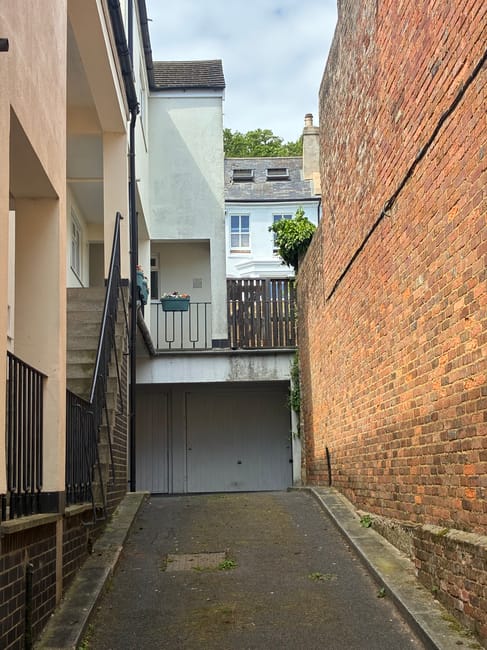
Imagine a typical Orpington terrace with a narrow front drive, a low wall, and just enough room to park a car if you angle it carefully. On paper, it looks manageable. In reality, a full-size van would make the turning circle tight and the loading door awkward to open safely.
In that situation, the better approach is usually to park just outside the property, keep the carry route as short as possible, and load the larger items first while the route is still clear. A sofa goes out before the lighter boxes. Mirrors and framed items get wrapped and carried separately. The team avoids trying to thread a wardrobe past the wall post twice, which, trust me, is not the sort of fun anyone needs at 9:15 in the morning.
The result is not flashy. It is simply smoother. Less shuffling, less second-guessing, fewer accidental knocks. The whole move feels more in control.
That same thinking applies in busier local settings too, like shop or office moves near tighter access points. In fact, a look at store relocation in Orpington shows how planning matters when access and timing need to work together.
Practical Checklist
Use this before moving day if your driveway is tight or access is awkward:
- measure the driveway width and note the turning space
- check whether the van can park on the drive or should stay on the road
- clear bins, bikes, pots, and any loose outdoor items
- identify the heaviest or most awkward furniture in advance
- wrap fragile items and remove detachable parts
- protect floors, thresholds, and corners where needed
- label priority boxes clearly
- share photos of the access with your mover if possible
- allow a little extra time for loading and unloading
- confirm any parking or access restrictions for the street or property
Quick expert summary: if the driveway feels tight to you, it will feel tight to a van too. The safest and most efficient solution is usually the one that respects the space rather than fighting it.
If timing is suddenly an issue, same-day removals in Orpington can be a practical backup for urgent situations, though access details still matter just as much.
Get a free quote today and see how much you can save.
Conclusion
Tight driveway moves are not about brute force. They are about judgement, patience, and choosing the right method for the space you actually have. When the access is narrow, a well-planned move can feel far easier than a rushed one, even if the route looks a bit awkward at first glance.
That is the real value of a tailored moving solution in Orpington. It reduces risk, keeps the day calmer, and helps your belongings travel safely through a space that leaves very little room for mistakes. A bit of planning, a bit of flexibility, and a crew that understands the access issue can make all the difference.
And once the last box is in, the driveway somehow looks smaller than you remembered. Funny how that happens.