Walnuts Shopping Centre Store Relocation in Orpington
Posted on 06/05/2026
Walnuts Shopping Centre Store Relocation in Orpington: A Practical Guide for Businesses
Moving a shop is rarely just a case of loading a few boxes and hoping for the best. A Walnuts Shopping Centre Store Relocation in Orpington can involve trading hours, stock control, customer access, landlord rules, fitting equipment, and a fair bit of coordination behind the scenes. If you run a store in or around the Walnuts Shopping Centre, you already know the stakes: one rushed decision can throw off a whole week. Or a whole month, truth be told.
This guide breaks the process down clearly, so you can plan a relocation that protects stock, reduces downtime, and keeps the move as calm as possible. Whether you are shifting to another unit in the centre, relocating to a nearby high street location, or consolidating into a smaller footprint, the same core principles apply: prepare early, move methodically, and avoid the kind of shortcuts that turn into expensive headaches later.
For a broader look at local moving support, you may also find the services overview useful, especially if you are comparing the kind of help available for a retail move.
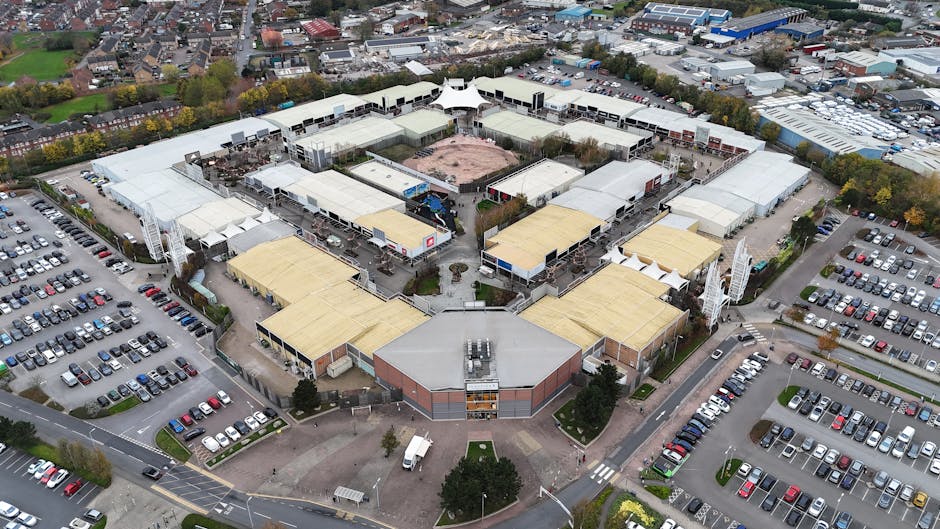
Why Walnuts Shopping Centre Store Relocation in Orpington Matters
A retail relocation is not only about transport. It is about continuity. If a shop closes for longer than expected, you can lose footfall, interrupt sales, confuse regular customers, and create pressure on staff who are already juggling enough. In a shopping-centre setting, timing matters even more because access routes, service hours, lift bookings, and loading arrangements often sit within a tighter framework than a simple stand-alone move.
Walnuts Shopping Centre stores also tend to deal with a mix of stock, displays, till equipment, shelving, signage, and sometimes specialist items like chilled products or fragile merchandising units. That means a generic removal plan usually falls short. You need a move plan that understands retail realities: opening times, stock rotation, customer service, and the fact that a shop floor has to look right the moment it reopens.
There is also the human side. Staff can feel unsettled by a move, especially if they are unsure what happens to stock, fixtures, or trading days. Customers notice too. A clear relocation plan gives everyone a steadier experience and helps the move feel deliberate rather than disruptive. That counts for a lot.
If the move is part of a bigger change, such as a rebrand or space reduction, it may be helpful to look at office removals in Orpington as well, because a retail fit-out move often overlaps with admin desks, stock rooms, and back-office equipment.
How Walnuts Shopping Centre Store Relocation in Orpington Works
Most retail relocations follow the same broad pattern, but the detail changes depending on the size of the store and the layout of the new unit. In practice, the process usually begins with a site visit or a detailed move survey. This is where a mover or project lead checks access points, parking restrictions, lift use, stairways, and any awkward items that may need disassembly.
From there, the relocation is usually planned in stages:
- Planning and inventory - listing stock, fixtures, branded materials, and equipment.
- Preparation - packing, labelling, dismantling, and protecting fragile items.
- Access coordination - matching the move to centre rules, delivery slots, and staffing needs.
- Transport - moving goods securely and in an order that supports reinstallation.
- Setup - placing fixtures, reconnecting equipment, and checking the shop floor.
The best relocations are the ones where the destination is ready before the first box lands. That sounds obvious, but it is where many teams slip up. If shelving is not measured, signage is not packed separately, or stock crates are not labelled by department, the unpacking phase becomes a scramble. And nobody wants to be trying to find till rolls at 7:30 a.m. with a trade slot ticking away.
For packing support, the guide on packing and boxes in Orpington is a sensible companion read, especially if you are dealing with mixed retail stock and fragile display items.
Key Benefits and Practical Advantages
Done well, a store relocation brings more than a new address. It can improve how the business operates day to day. Sometimes that means a better customer flow, clearer layout, more storage, or simply a unit that suits the brand better. In the Walnuts Shopping Centre context, moving can also help you align with a busier pitch, a more efficient back-of-house setup, or a more realistic rent structure. Not always glamorous, but very practical.
Here are the main advantages most retailers look for:
- Reduced operational friction - a better layout can cut wasted steps for staff.
- Improved customer experience - clearer aisles, cleaner visual merchandising, easier browsing.
- More efficient stock handling - logical storage makes replenishment quicker.
- Lower damage risk - professional packing and lifting reduce breakages.
- Faster reopening - a structured move helps you get trading again sooner.
There is also a commercial benefit that gets overlooked: a smoother move protects confidence. Staff work better when they know the plan. Customers return faster when the reopening feels organised. And landlords, to be fair, tend to appreciate tenants who handle the transition professionally.
If the move includes furniture, display units, or heavier stockroom items, it is worth reviewing furniture removals in Orpington so you can see how larger pieces are typically handled in a local move.
Who This Is For and When It Makes Sense
This kind of relocation is relevant to a wider group than people sometimes assume. It is not just for big chains with a logistics team. Small independents, franchise sites, seasonal pop-ups, and service-led retail outlets can all benefit from a properly planned move.
It makes sense if you are:
- moving to a different unit within or near the Walnuts Shopping Centre
- upsizing or downsizing your retail space
- reconfiguring the shop floor after a rebrand
- combining stockrooms or back-office areas
- relocating after a lease change or refurbishment notice
- moving equipment that needs careful handling, such as POS terminals or specialist displays
It can also be the right call if your current store is simply no longer working. Maybe the stockroom is awkward. Maybe the entrance flow is poor. Maybe you have outgrown the unit, or maybe you need something smaller and leaner. Businesses move for all sorts of reasons, and not all of them are dramatic. Sometimes it is just the most sensible next step.
For businesses that need speed, same-day removals in Orpington may be relevant, although in retail settings it is usually best to plan ahead where possible. Same-day solutions are useful, but they are not magic.
Step-by-Step Guidance
A clear sequence keeps the move under control. If you try to do everything at once, the day gets messy very quickly. Here is a practical approach that works for many retail relocations.
1. Carry out a full stock and fixture audit
Before packing anything, make a list of what is moving. Include shelves, signage, tills, display units, stock, office items, cleaning supplies, and any specialist or fragile objects. Separate what must move from what can be recycled, sold, or discarded.
2. Measure both the current and new unit
Measure doorways, corridors, lifts, stairwells, display walls, and storage spaces. This is boring work, yes, but it prevents last-minute surprises. A display cabinet that fits beautifully in the old unit may suddenly feel very large when you try to pivot it through a tighter entrance.
3. Plan the packing order
Pack by zone or department rather than in random batches. For example, put front-of-house items together, stockroom items together, and branded marketing materials in a separate group. Use labels that make sense to staff, not just to the person writing them. A label that says "blue shelf unit, rear left" is far more useful than "misc box 4".
4. Protect high-value and fragile items
Wrap glass, mirrors, lighting, small electronics, and delicate display pieces with suitable materials. Keep cables, adaptors, and fixings in sealed bags attached to the correct item. This sounds tedious. It is tedious. But it saves time later.
5. Coordinate access and timing
Shopping-centre relocations often depend on access windows. Check unloading times, lift bookings, security arrangements, and any rules around trolleys or loading bays. If the move has to happen early morning or after trading hours, build the schedule around that rather than hoping things will "work out".
6. Move in the right order
Usually, the safest sequence is non-essential stock first, then furniture and displays, then sensitive equipment, then final point-of-sale items closer to reopening. That way, you preserve trading-critical pieces until the last responsible moment.
7. Rebuild, test, and inspect
Once items arrive, reassemble fixtures, check electrical equipment, confirm stock counts, and inspect for damage. A short sign-off walk-through helps spot issues before opening day. You do not want to discover a missing bolt while customers are already walking in.
A helpful move here is to read how to pack for a seamless move, because a lot of the same packing logic applies to retail stock, not just household items.
Expert Tips for Better Results
Most retail move problems are avoidable. The trick is to think like a store manager and a mover at the same time. Here are the habits that make the biggest difference.
- Label by destination, not just by contents. Put the new zone or shelf number on each box if possible.
- Keep a small opening-day kit separate. Include tape, scissors, a charger, basic tools, cleaning cloths, and spare labels.
- Photograph display setups before dismantling. It is much easier to rebuild a layout when you can see the original arrangement.
- Protect floors and walls during movement. Centre corridors and newly finished units can mark easily.
- Assign one person to final decisions. Too many voices slow everything down. Someone has to say yes, that shelf goes there.
If your move involves heavier items, use professional moving technique rather than trying to muscle through it. The advice in this guide to kinetic lifting is a good reminder that controlled movement beats rushed lifting every time. And if you are dealing with large items, solo heavy lifting guidance explains why planning the lift matters as much as the lift itself.
One small thing that helps a lot: pack a "do not open until needed" crate for the very last essentials. It sounds almost too simple, but when the shop is full of open boxes and everyone is looking for one adapter, that crate becomes the hero.

Common Mistakes to Avoid
A lot of relocation stress comes from the same handful of mistakes. Once you know them, you can sidestep most of the drama.
- Leaving the move too late. Retail moves need lead time for packing, access planning, and reinstallation.
- Assuming everything will fit exactly as before. New units often have different proportions and storage quirks.
- Not backing up sales or admin data. Even a short disruption can become a bigger issue if systems are not protected.
- Mixing stock with fixtures. That makes unpacking slower and increases the chance of damage.
- Ignoring cleaning and handover requirements. The old unit often needs to be left in a proper state.
- Forgetting staff logistics. If people do not know where to report, what to move, or what the first-day plan is, the whole relocation feels heavier than it should.
There is one more mistake worth mentioning: underestimating narrow access. Some centres and surrounding buildings have tighter routes than people expect. If your route involves awkward stairs or a constrained doorway, a specialist moving approach can save hours. The article on solutions for narrow stairs is useful because the same problem-solving mindset applies in shopping-centre environments too.
Tools, Resources and Recommendations
You do not need a giant toolkit to relocate a store, but you do need the right basics. A little preparation saves an awful lot of faffing about on moving day.
| Tool or Resource | Why It Helps | Best Used For |
|---|---|---|
| Label printer or durable labels | Makes box identification faster and clearer | Stock, shelving parts, cables, and fixtures |
| Padding materials and wraps | Reduces damage to fragile displays and stock | Glass, lighting, electronics, branded pieces |
| Tool kit | Helps dismantle and rebuild fixtures efficiently | Racking, signage, desks, counters |
| Inventory sheet | Supports stock control and checking on arrival | Every retail move, especially multi-zone shops |
| Professional removals support | Reduces manual handling risk and saves time | Heavy, bulky, or time-sensitive moves |
For many retailers, the best resource is not a tool at all. It is a reliable moving plan and a company that understands local access, timing, and the pressure of reopening. A trusted removal service in Orpington can help with the transport side, while a man with a van in Orpington can be a practical option for smaller or faster relocations. If the job is bigger, a removal company in Orpington may be a better fit.
And if you are sorting out storage before the move or between locations, storage in Orpington can be a sensible temporary solution.
Law, Compliance, Standards, or Best Practice
Retail relocations can touch on safety, insurance, access control, waste handling, and employment duties. You do not need to turn it into a legal project, but you should avoid treating compliance as an afterthought. A few sensible checks go a long way.
In the UK, the main practical concerns usually include:
- Health and safety - keeping staff, movers, and customers protected during loading and unloading.
- Manual handling - reducing the risk of injury by using proper lifting methods and the right equipment.
- Insurance - confirming that goods in transit and business contents are covered appropriately.
- Access permissions - following shopping-centre or landlord requirements for delivery windows and loading bays.
- Data protection - securing customer records, payment equipment, and any digital devices during the move.
It is also worth reviewing public-facing trust pages before you hire any help. The site's health and safety policy, insurance and safety information, and terms and conditions can give you a clearer picture of how a provider approaches risk and responsibility. That kind of transparency matters more than people sometimes think.
If you are handling waste, packaging, or old fixtures, sensible recycling is the right route where possible. You can also read the company's recycling and sustainability page for a better sense of how materials are managed.
One more practical note: if staff, customers, or contractors need to understand how personal information is handled during quote requests or service admin, the privacy policy is worth checking. Not exciting, granted, but useful.
Options, Methods, or Comparison Table
Different relocations call for different support levels. A small kiosk move is not the same as a full retail unit with stockroom, office space, and display fixtures. Here is a simple comparison to help you think through the options.
| Move Method | Best For | Strengths | Watch Outs |
|---|---|---|---|
| Self-managed move | Very small shop or limited stock | More direct control, lower immediate labour spend | Higher manual handling risk, more time pressure, more responsibility on staff |
| Man and van support | Smaller relocations, short distances, flexible scheduling | Practical and often efficient for straightforward moves | May not suit large fixtures or complex loading needs |
| Full removal service | Larger units, heavier items, more complex coordination | Better for structured packing, lifting, and transport planning | Usually needs more advance booking and planning |
There is no universal winner. The right method depends on volume, access, timescales, and how quickly you need to reopen. A lot of teams make the sensible choice once they compare effort against downtime. If the shop must reopen neatly and quickly, professional support usually earns its keep.
Case Study or Real-World Example
Picture a mid-sized retailer moving from one unit to another within the Walnuts Shopping Centre. The old unit has decent footfall but poor stockroom layout, while the new one offers better visibility and a more usable back area. On paper, it sounds simple. In reality, there are half a dozen moving parts: display rails, shelving, boxed stock, till equipment, promotional signage, and a few fragile items that cannot just be thrown in with everything else.
In a well-run version of this move, the team would first label every fixture and stock zone, then photograph the old layout before dismantling. The movers would protect key items, shift stock first, then bring in the fixtures in the order they are needed. The manager would keep a separate opening kit nearby, so no one has to hunt for tape, extension leads, or the debit card reader charger on the next morning.
What tends to make the biggest difference? The boring bits. Measuring properly. Labelling clearly. Booking access at the right time. Not leaving all the unpacking until the last hour. There is a kind of quiet relief in opening a box and finding exactly what you expected. That feeling, small as it is, can make the whole move feel under control.
For related moving challenges, especially if your retail operation includes residential-style stock or student staff accommodation, the flat removals in Orpington and student removals in Orpington pages can be helpful reading too. Different context, same careful moving mindset.
Practical Checklist
Use this checklist in the days leading up to the move. It is simple, but simple is good when the clock is ticking.
- Confirm the new unit access times and loading arrangements.
- Complete a full inventory of stock, fixtures, and equipment.
- Separate fragile, valuable, and essential items.
- Label boxes by department and destination zone.
- Back up all digital files and secure payment devices.
- Photograph the current shop layout for reference.
- Pack an opening-day essentials box.
- Check insurance and any move-related cover.
- Review health and safety procedures for staff and contractors.
- Arrange cleaning for the old unit and final handover tasks.
- Inspect the new unit before trading begins.
- Keep contact details for the mover, landlord, and centre management to hand.
If you want a calmer moving day, pair that list with a solid plan from the start. The article on a tranquil house move offers a surprisingly useful mindset for retail relocations too: break the job into manageable steps and don't let one stressful moment spill into the next.
Expert summary: The best store relocations are rarely the fastest ones on paper. They are the ones where stock, fixtures, access, and reopening are planned together, so every part of the move supports the next one.
Conclusion
A Walnuts Shopping Centre store relocation in Orpington can feel like a lot, because it is a lot. But with proper planning, realistic timings, and the right support, it becomes manageable. The key is to treat the move as a business project, not just a transport job. Protect the stock. Respect the access rules. Make unpacking easy for the team. And keep the reopening picture in mind from the very beginning.
Whether your move is small and straightforward or involves heavier fixtures, mixed stock, and tighter access, the smartest approach is the one that reduces disruption while keeping your team steady. That is what good moving support really does. It gives you breathing room.
Get a free quote today and see how much you can save.
And if you are still in the planning stage, that is perfectly fine. A good move is often just a series of sensible decisions made early enough. Bit by bit, it all comes together.